Insights

Practical thinking on how communications work runs.

Analysis, working evidence and operating detail for people responsible for how a communications firm delivers – where capacity is lost, how knowledge survives a handover, and where AI belongs in a process. Articles and case studies from Mekong Bridge Advisory sit together here.

See the three case studies

Three workflows, rebuilt so the process holds what the team already knows.

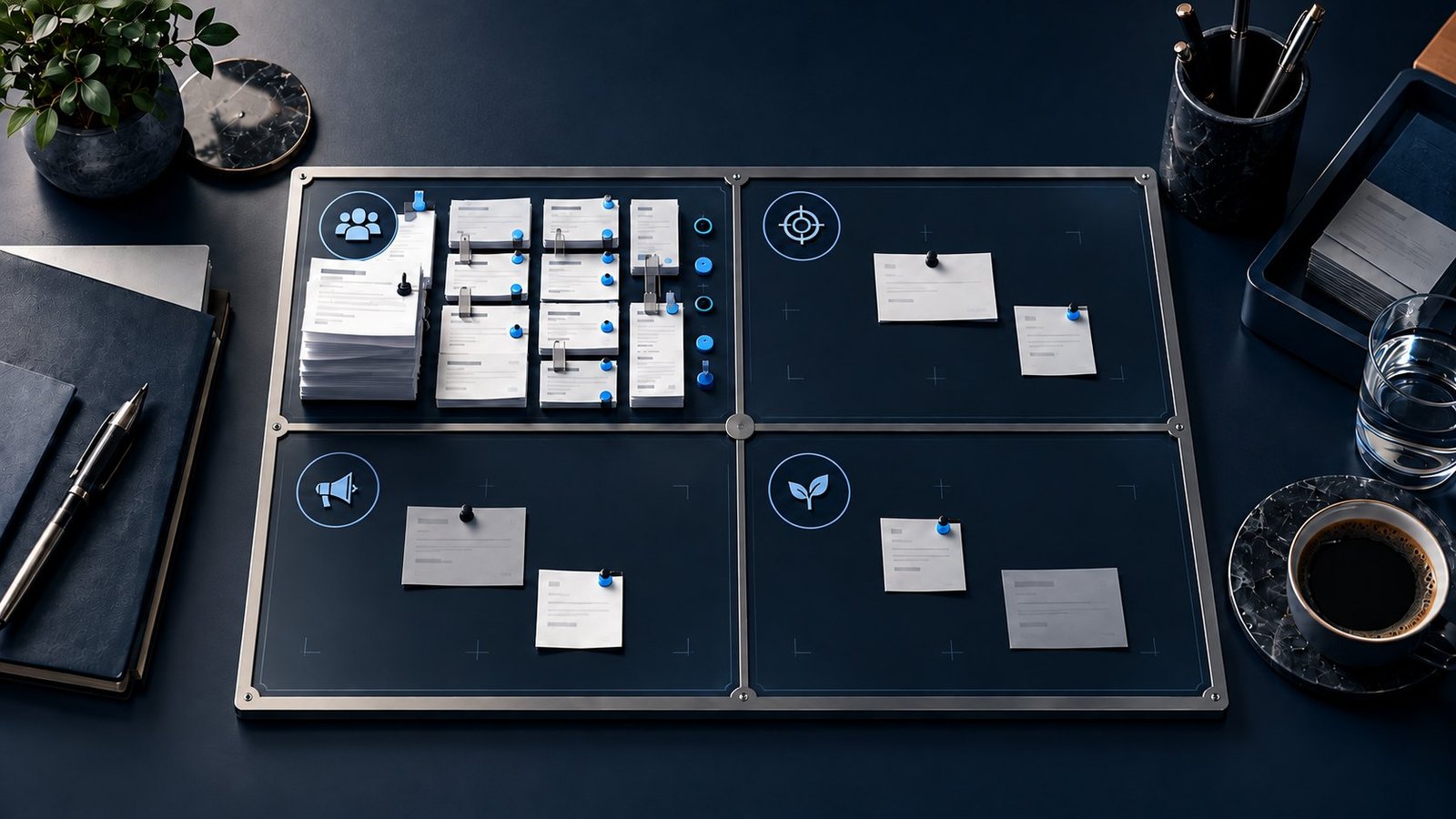
Each started the same way: what was needed to do the work well existed, but sat outside the process – in senior heads, in past approvals, in conversations nobody wrote down. The redesign moved it inside.

Case study 01

Knowledge continuity

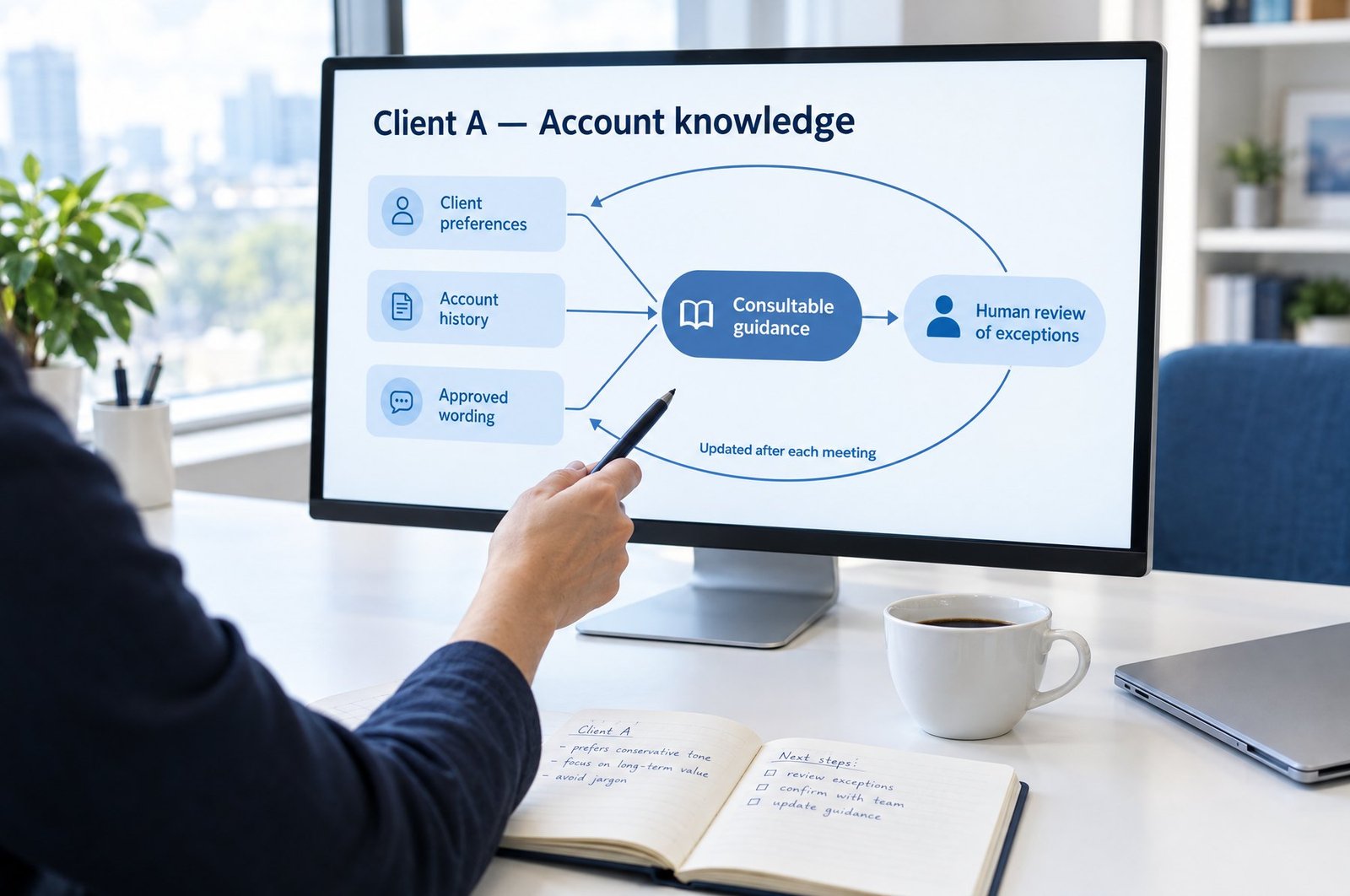
  1. Client knowledge
  2. consultable guidance
  3. human review of exceptions
  4. continuous update loop
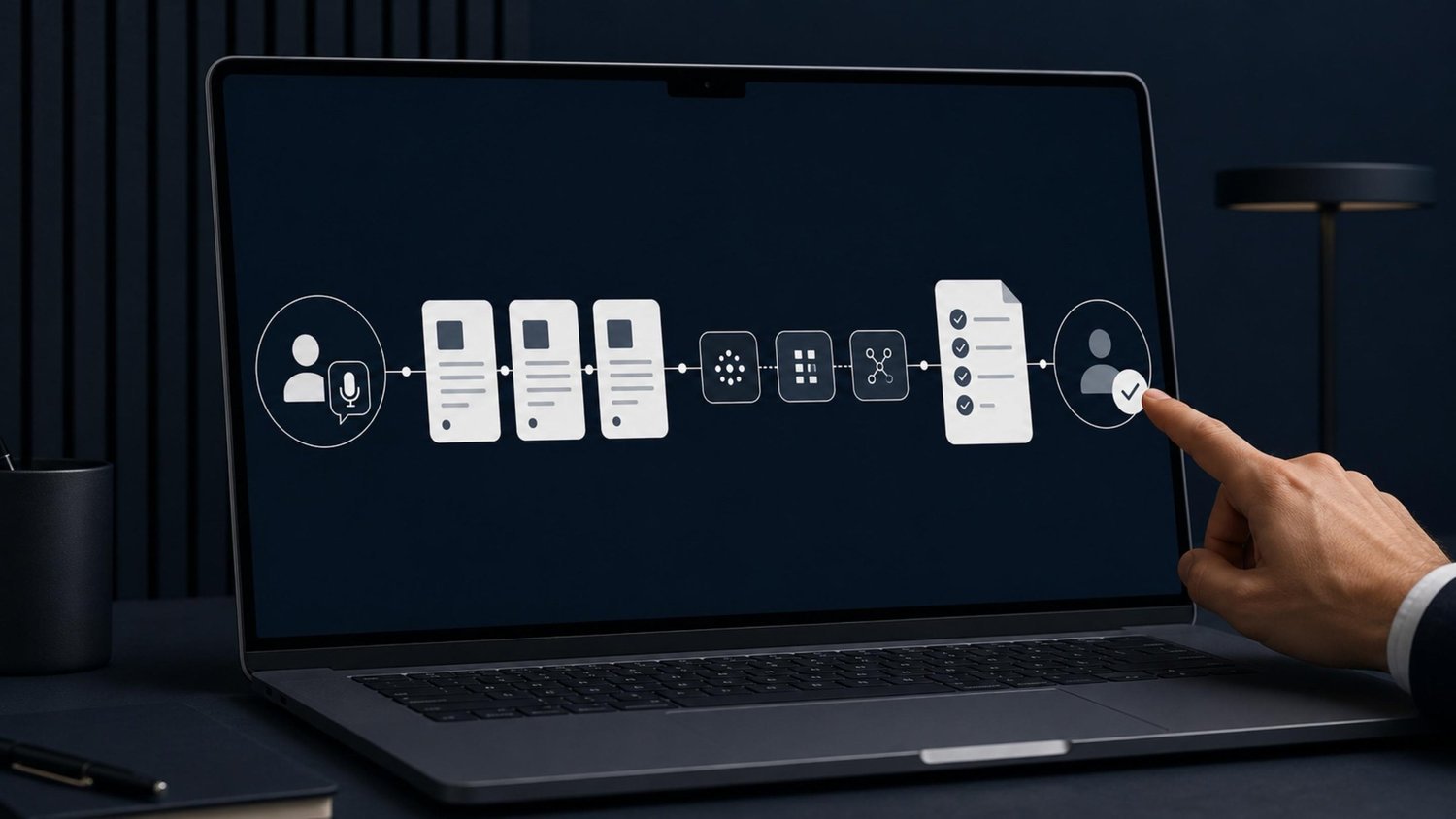
A consultant points at a screen mapping Client A's account knowledge: client preferences, account history and approved wording feed consultable guidance, with human review of exceptions and an update after each meeting
The challenge

Client preferences, account history and established processes sat across senior team members, documents and meeting discussions. Supporting teams had to ask a senior colleague before they could proceed.

The approach

That knowledge was organised into an AI Consultant the team consults before starting a task, with a loop that reviews learning from meetings and keeps the guidance current.

The outcome
Before

Leaves with the account

Knowledge leaves when the account changes hands.

After

Stays in the firm

Knowledge stays in the firm: retrievable, and decisions can be retraced.
Case study 02Operational waste

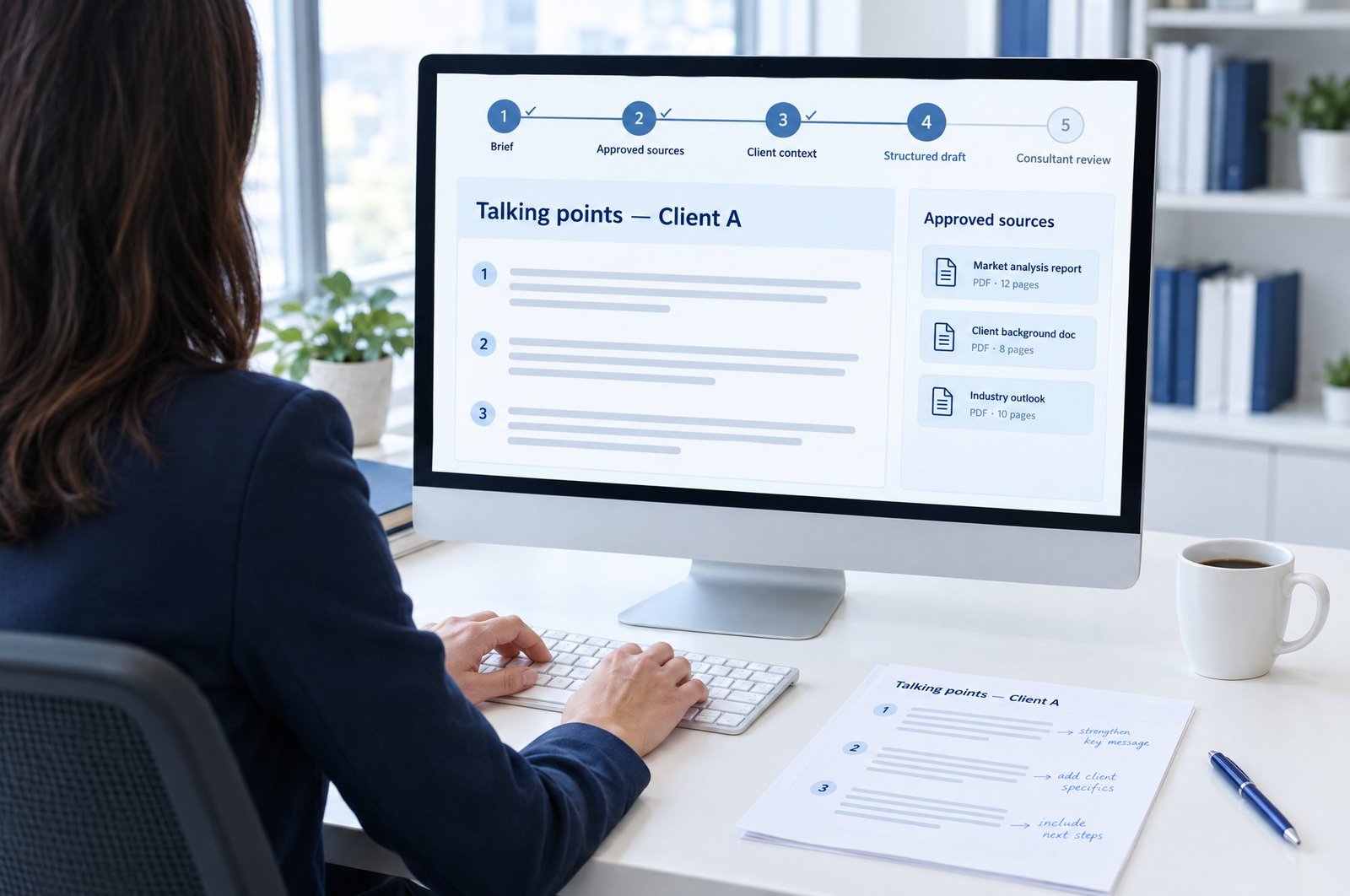
Talking-point preparation

  1. Brief
  2. approved sources
  3. client context
  4. structured draft
  5. consultant review
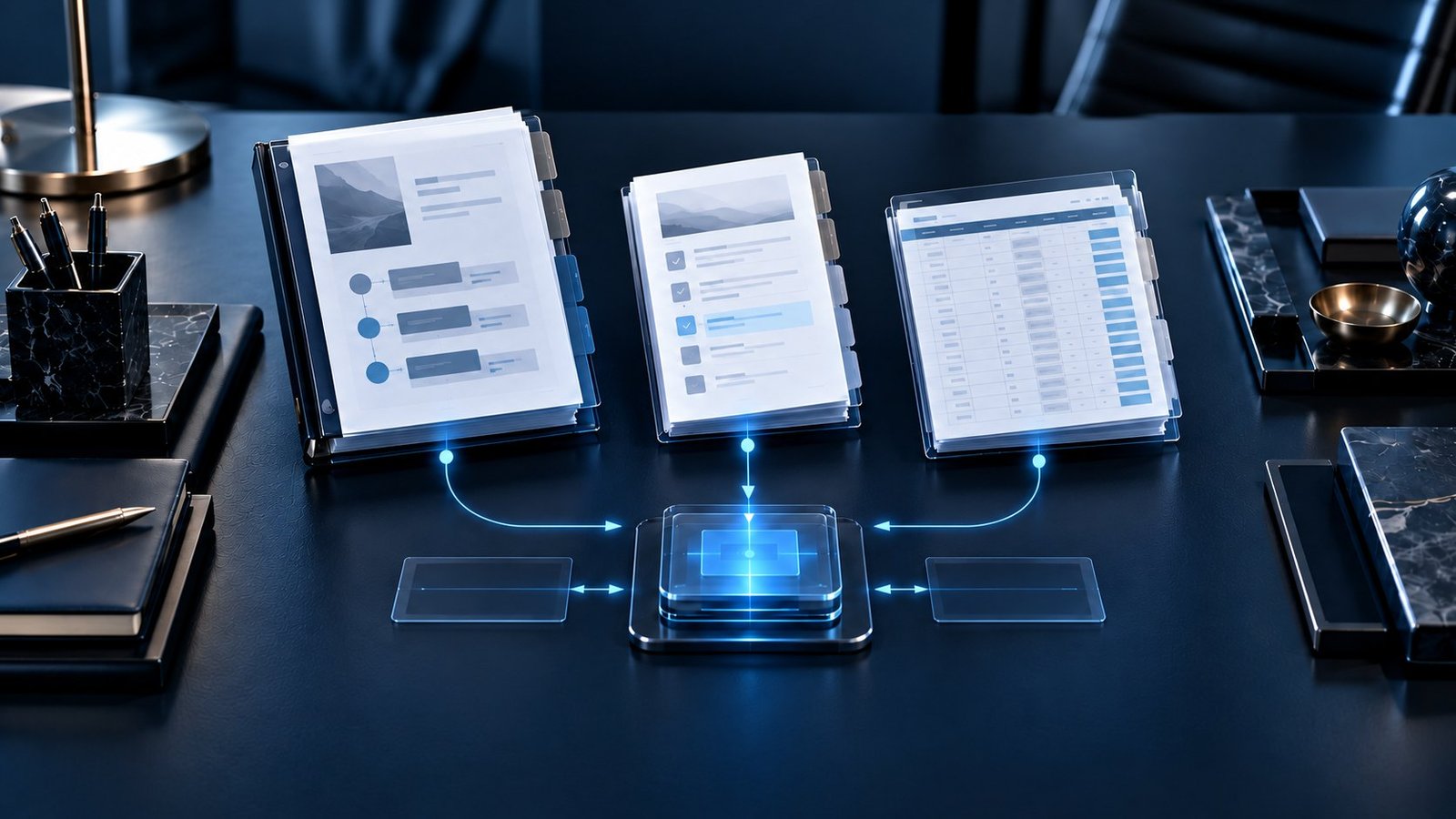
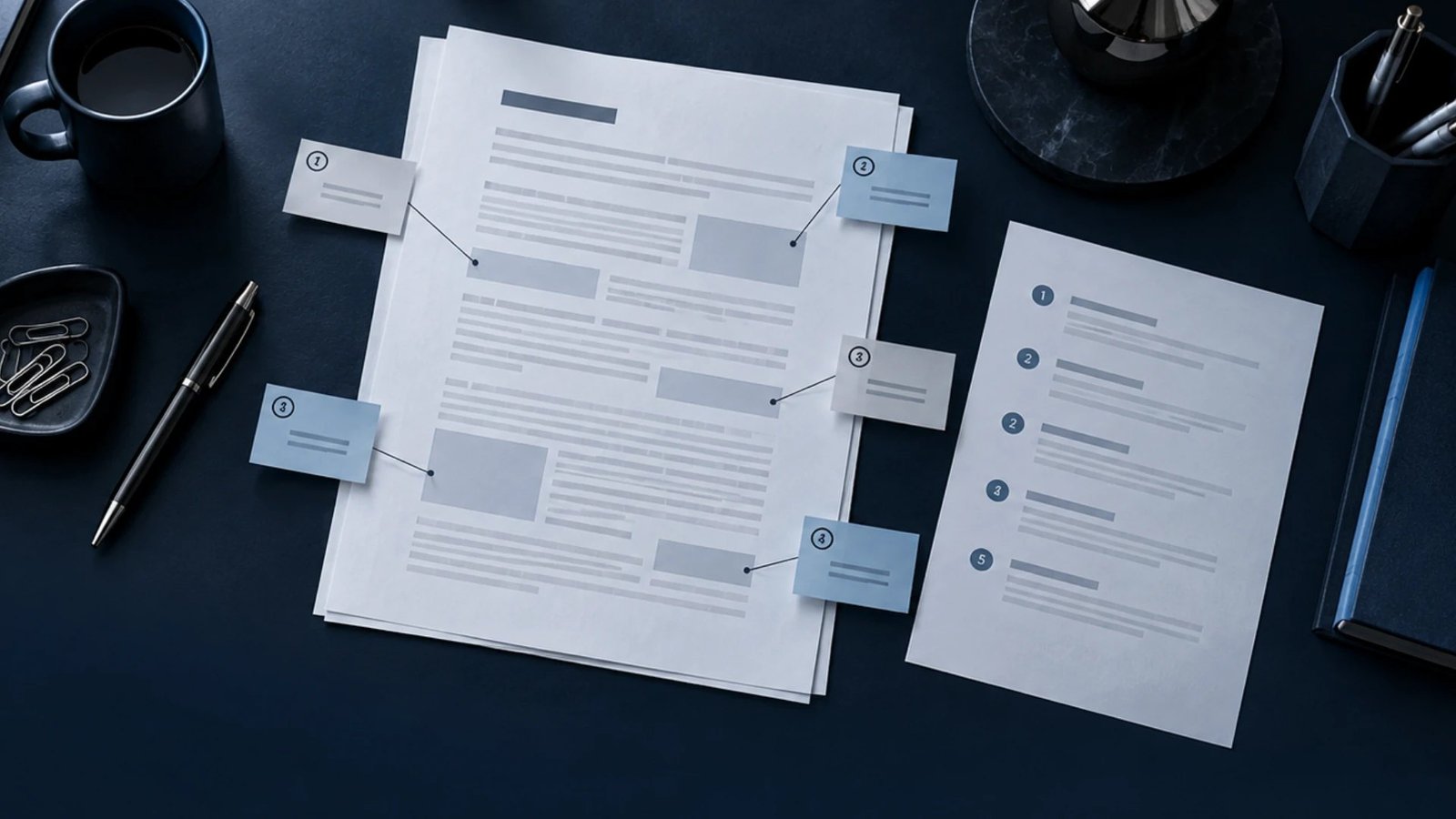
A consultant typing in a guided talking-points workflow at the structured draft step, with approved sources listed beside the draft and an annotated printout on the desk
The challenge

Preparation took more than three hours and could still produce an incomplete result, because research, client context and requirements were applied differently each time.

The approach

A guided workflow now takes the consultant through the brief, approved sources, client context and structured drafting, with professional review at the end rather than corrections at the start.

The outcome
Before

3+ hours

More than 3 hours per pack.

After

1.5 hours

Approximately 1.5 hours, review-ready.

Case study 03Production models

Media monitoring

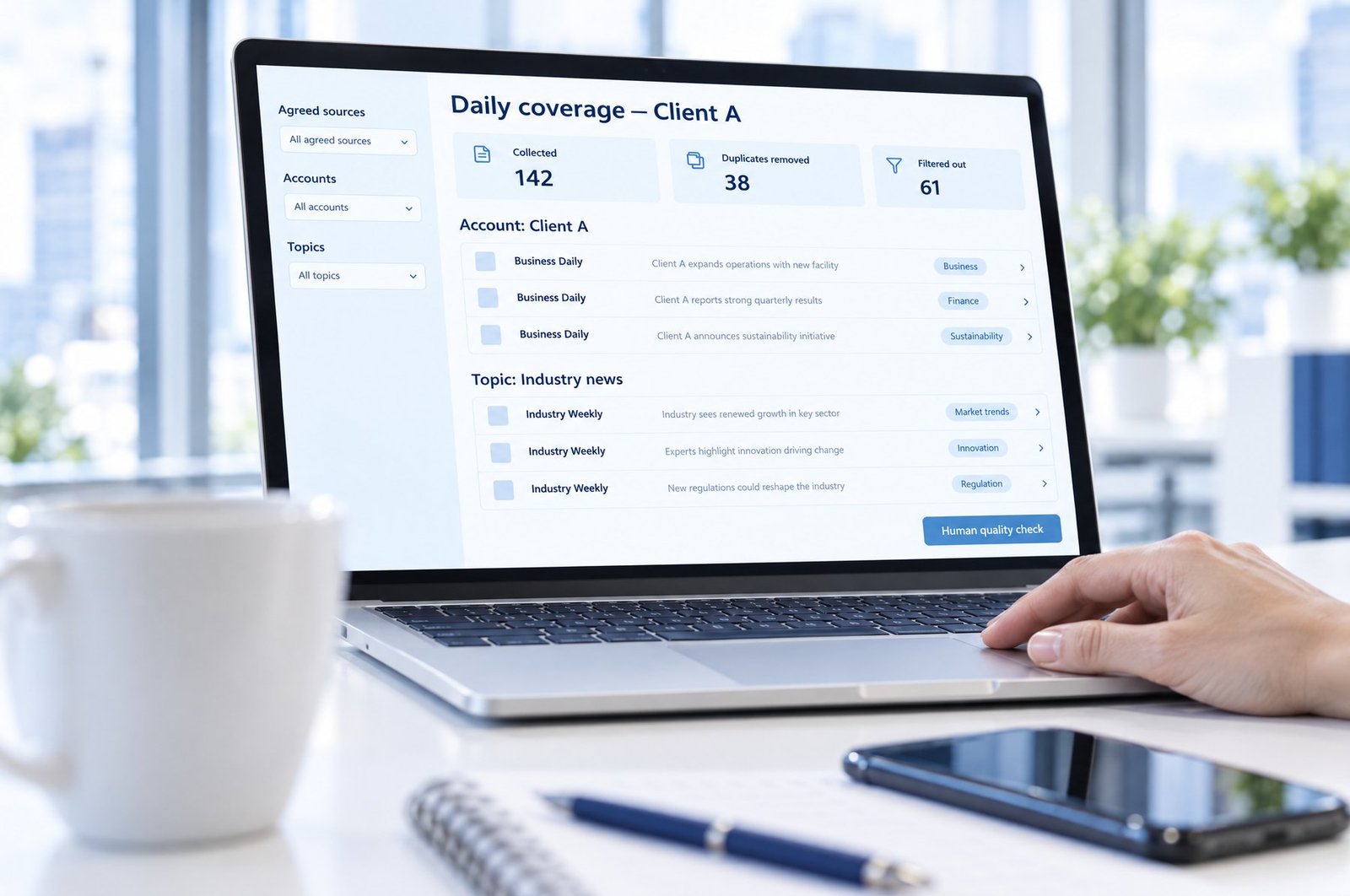
  1. Agreed sources
  2. collect
  3. de-duplicate and filter
  4. classify by account
  5. human quality check
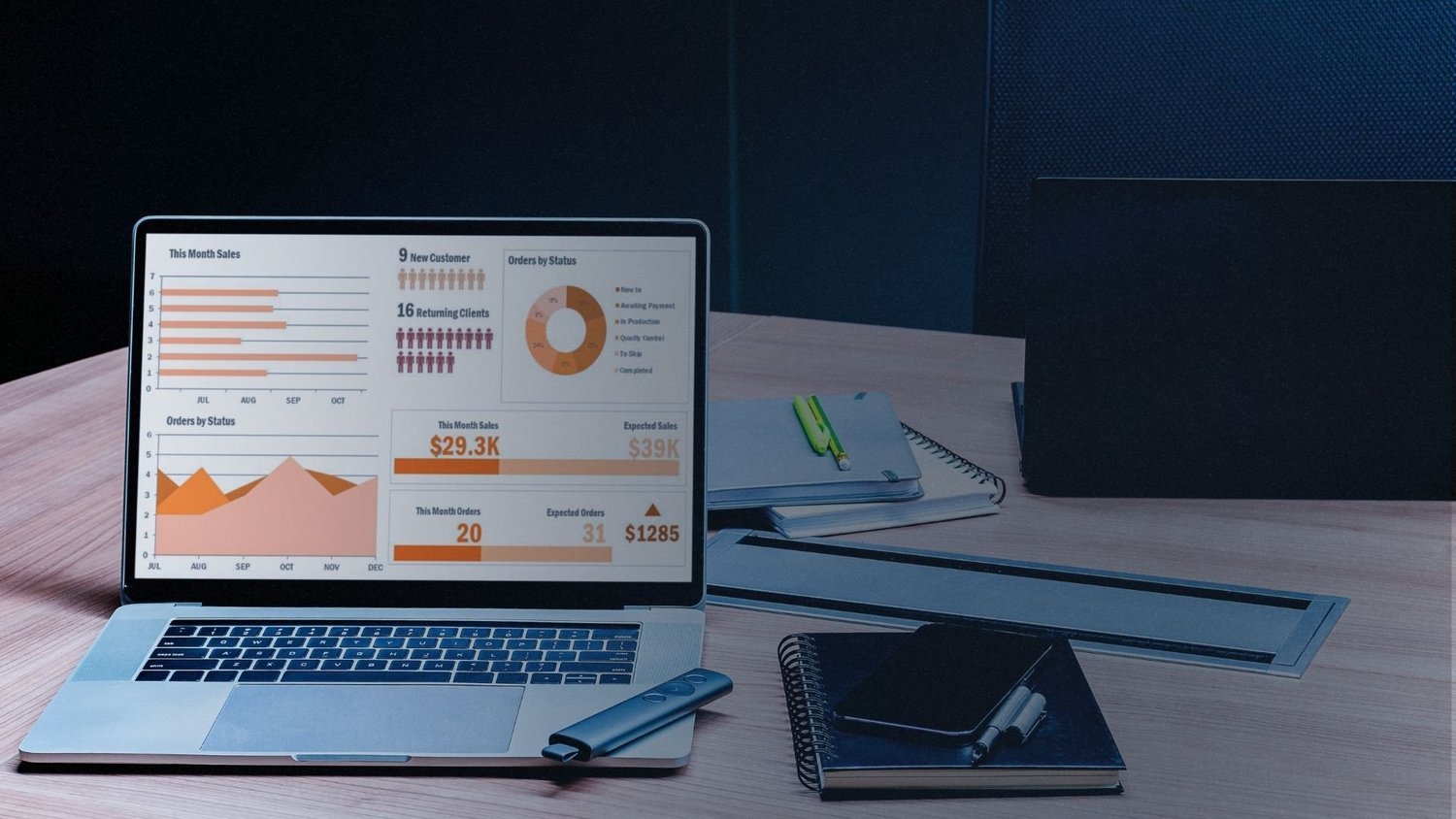
Close-up of a laptop showing a media monitoring dashboard for Client A: coverage collected, duplicates removed and results filtered out, grouped by account and topic, with a human quality check button; a coffee cup, phone and notebook sit in the foreground
The challenge

Teams collected, checked and organised coverage by hand for every account, repeating the same processing chain each day.

The approach

An automated workflow pulls coverage from agreed sources, removes duplication, filters irrelevant results and organises it by account and topic, leaving the consultant to perform the final quality check.

The outcome
Before

30–40 minutes

Approximately 30–40 minutes per account.

After

5 minutes

Around 5 minutes per account.

Evidence qualification

These are observed outcomes from redesigned workflows within one client account. Results will vary according to the process, task volume and existing operating model. In each case the consultant remains responsible for relevance, accuracy and the final output.

Latest from MBA

43 articles

Is one of these operating problems
already affecting your team?

MBA can help identify where rework, waiting and senior dependency are consuming capacity — and whether a two-week trial is the appropriate starting point.

Book a discussion